
Specialist Tree Care & Land Management

LumberJax Tree Service

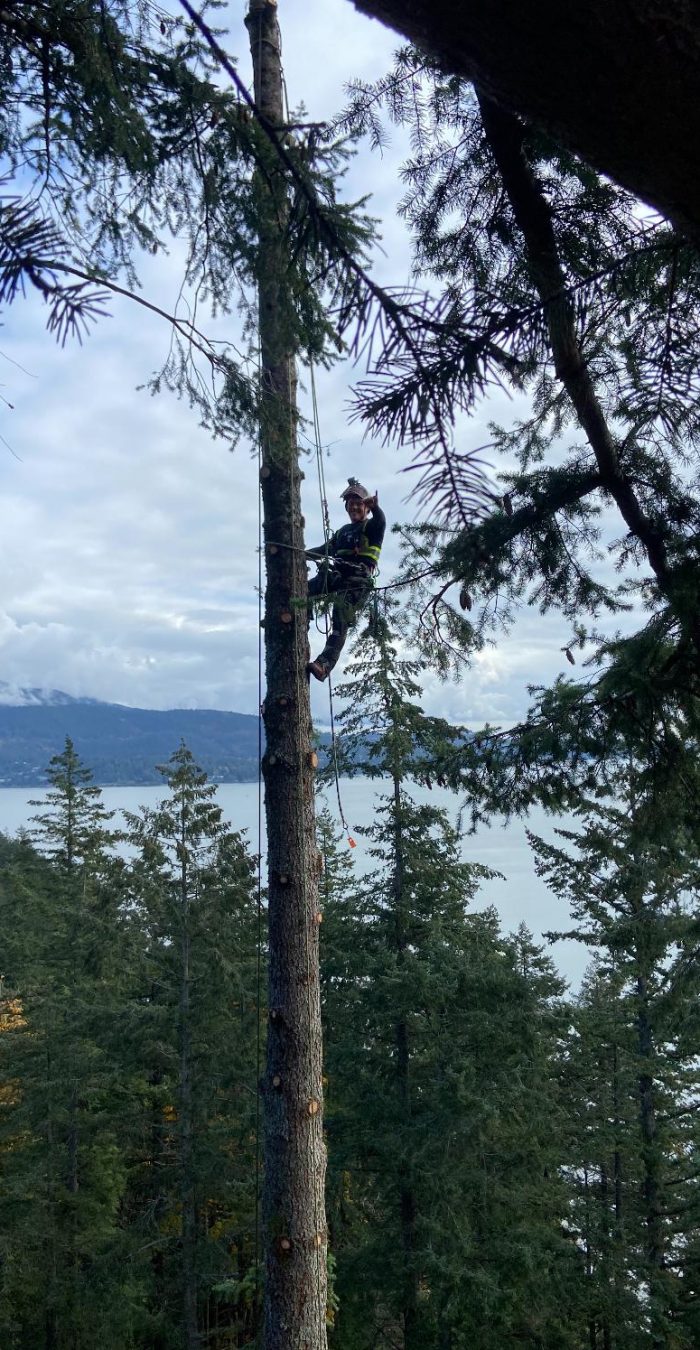
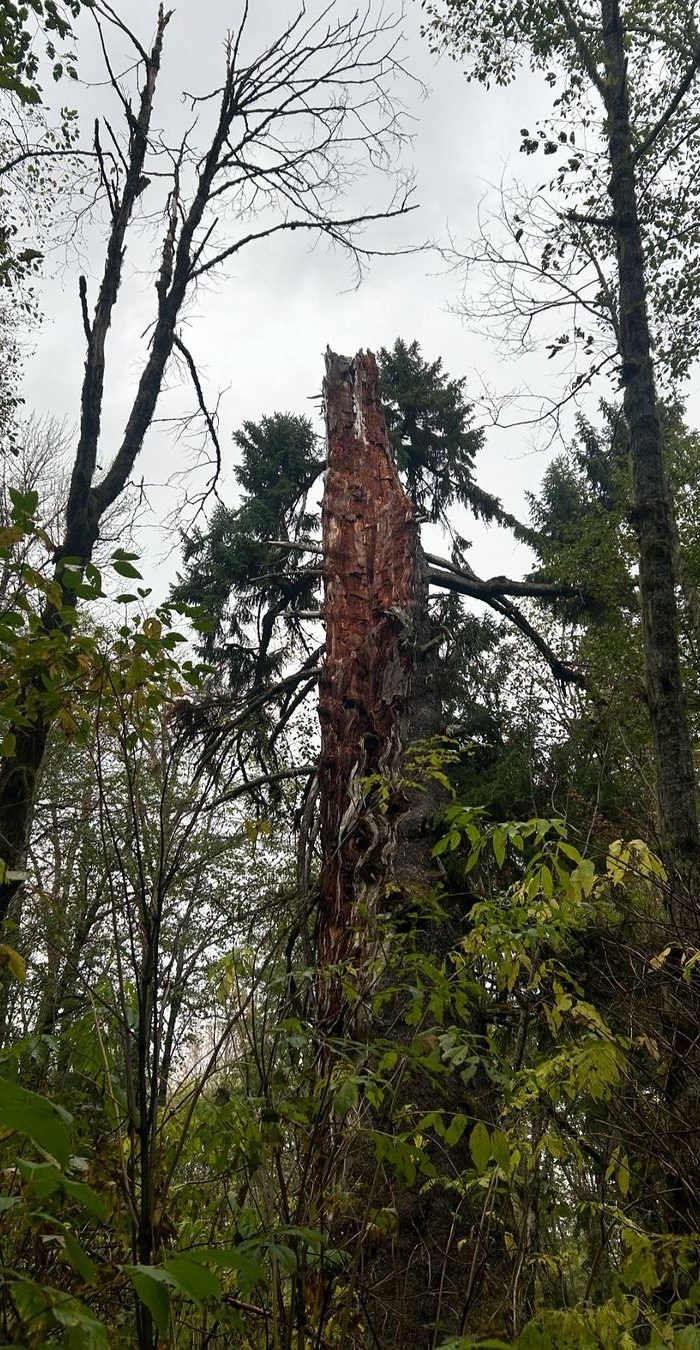
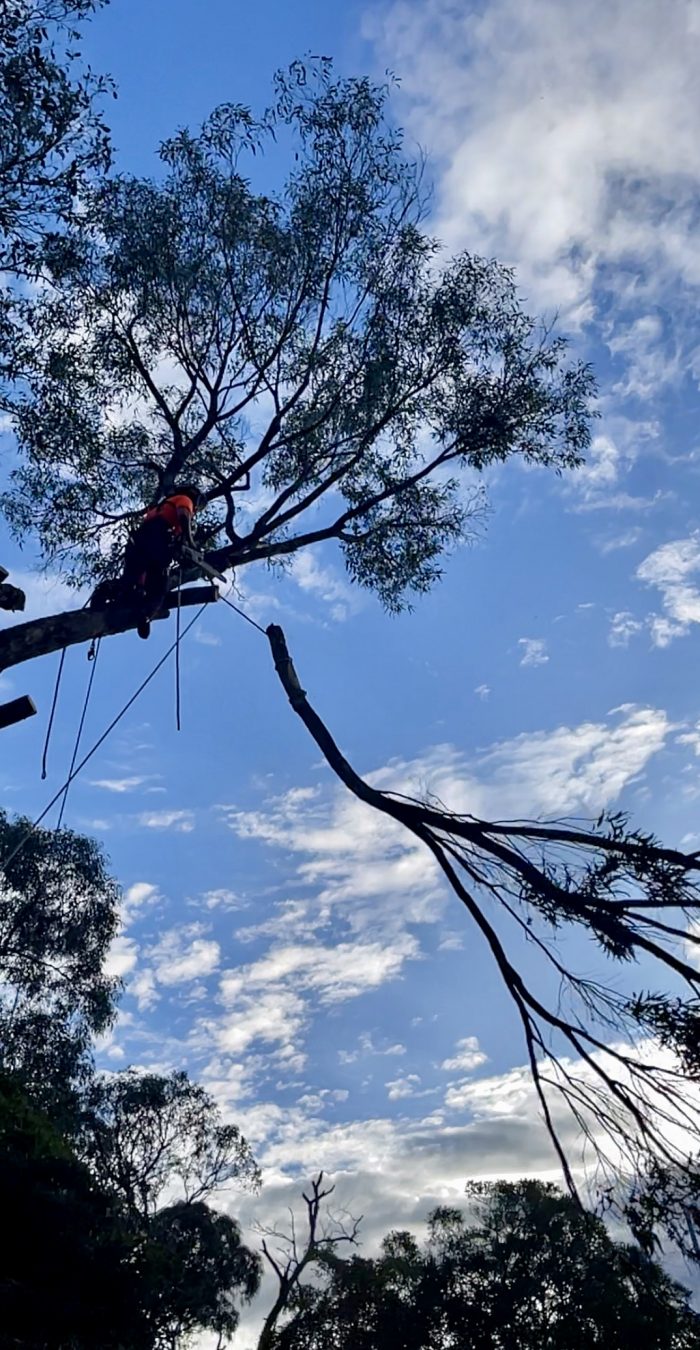
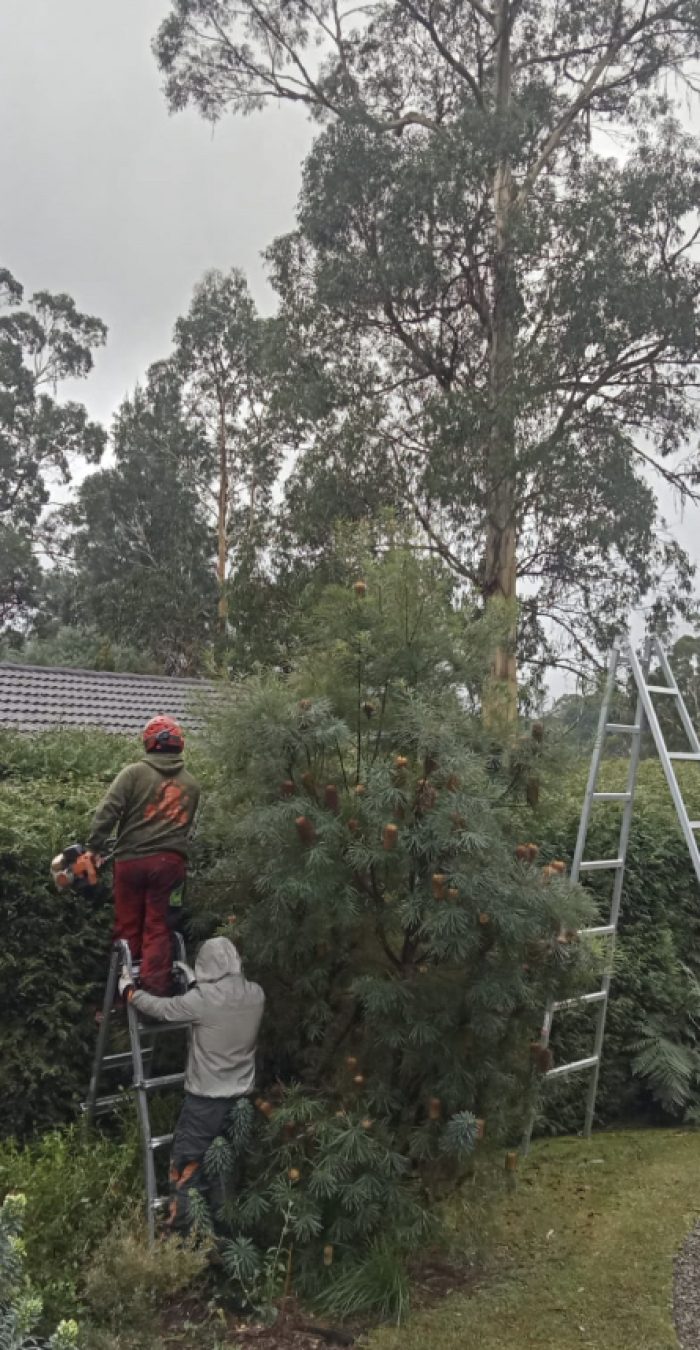
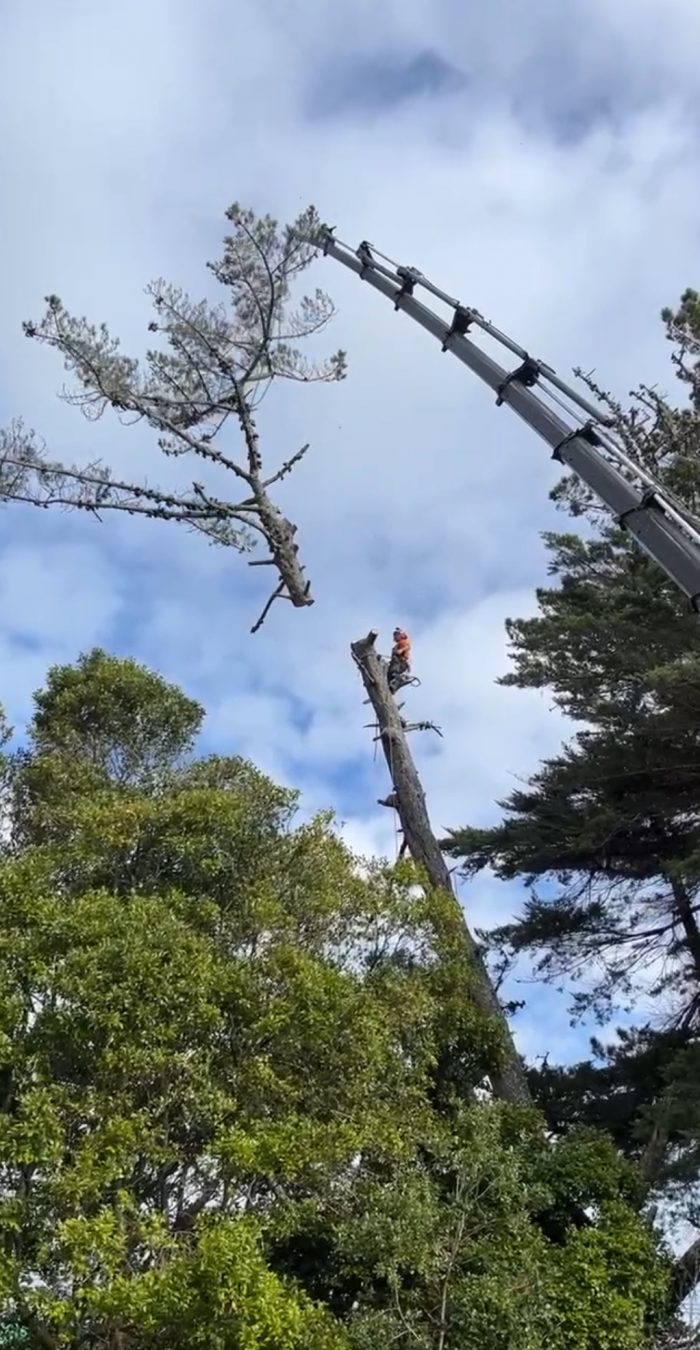
Our team of qualified arborists use modern techniques and technologies to ensure trees are properly managed. From neighborhood giants to commercial hazards, our specialists are equipped to handle any challenge

We handle everything for you!

At LumberJax, we provide a thorough service, you'll never be left with problems to solve.

About Us

Our team uses modern techniques and technologies to ensure trees are removed safely and efficiently. From neighborhood giants to commercial hazards, our specialists are equipped to handle any challenge.

Get a call back

    Rick M (Duncan)

    When we realized we had a dangerous tree in our yard and needed it dealt with quickly, we called LumberJax who showed up within the week and had the tree down in a clean, safe & professional manner. I would not hesitate to call Jaxson and his team again.

    Ako F Ladysmith

    Jaxon and Zach were very helpful. They arrived on short notice to handle my fallen tree issue and resolved it quickly and beautifully

    Faye & Time H Port Alberni

    I had Jaxson come out and assess a dead fir tree this past summer in Port Alberni. We were Very impressed with the efficiency and professionalism he had used to dismantle our tree
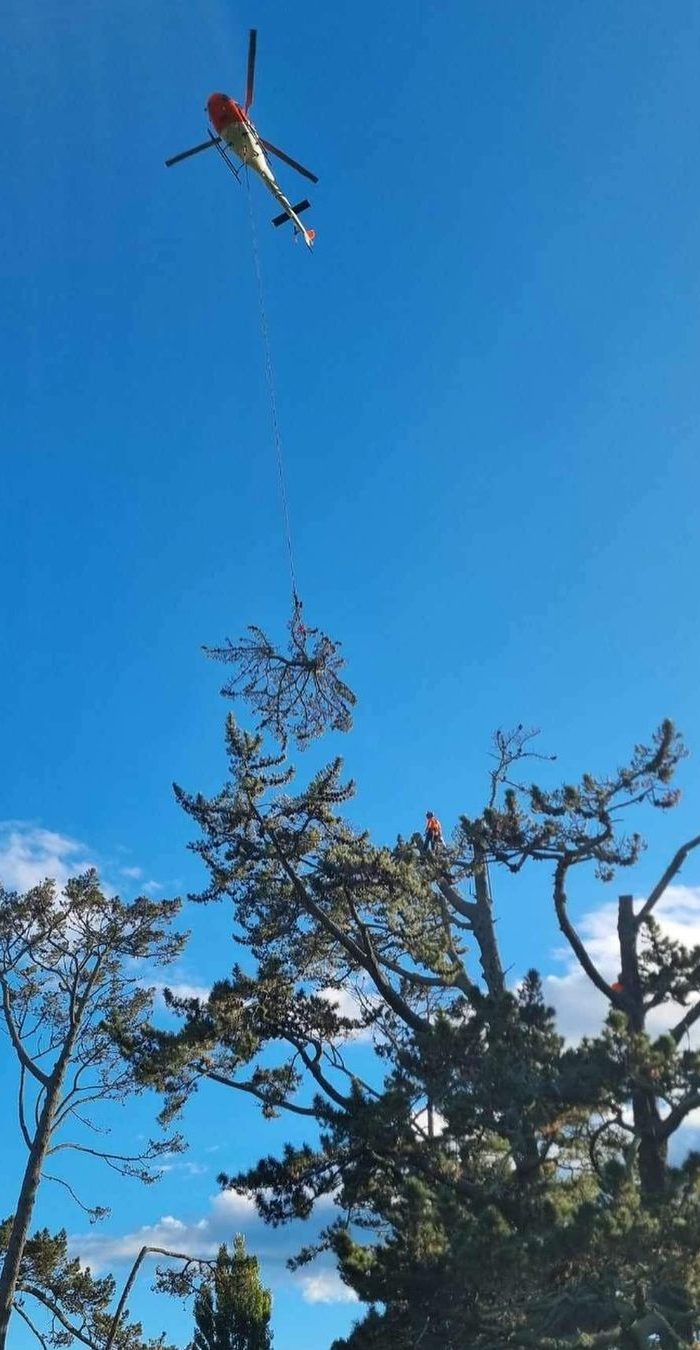
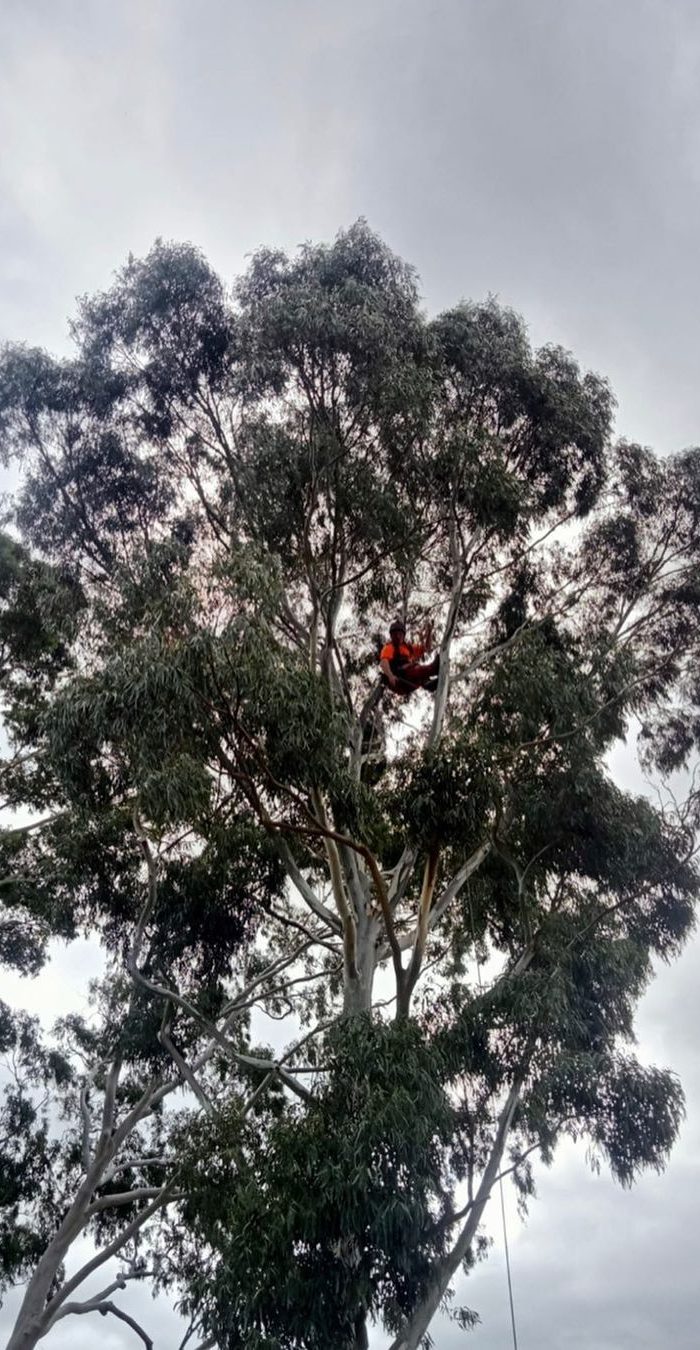
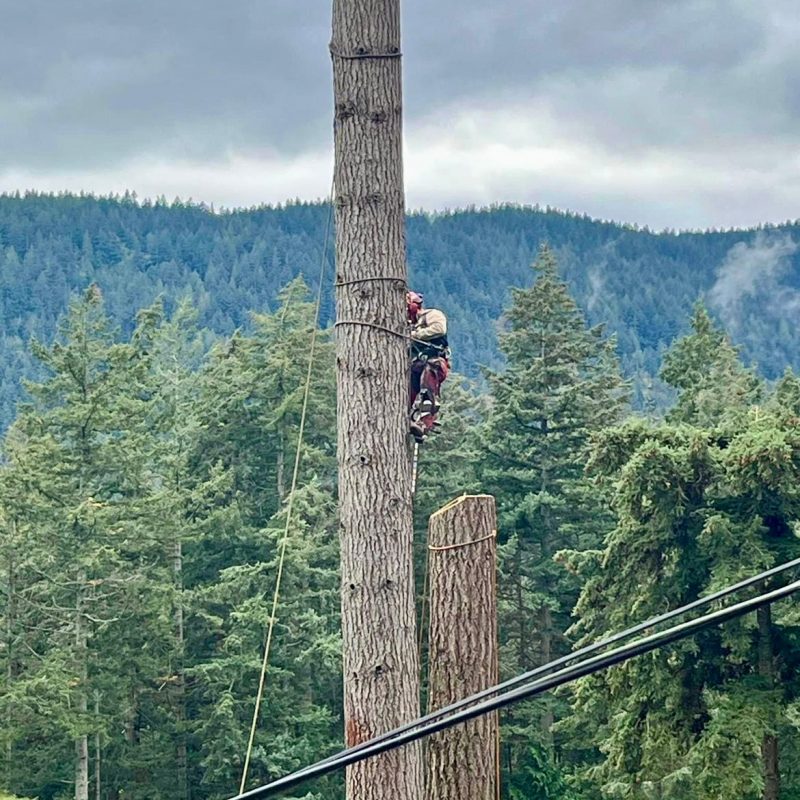
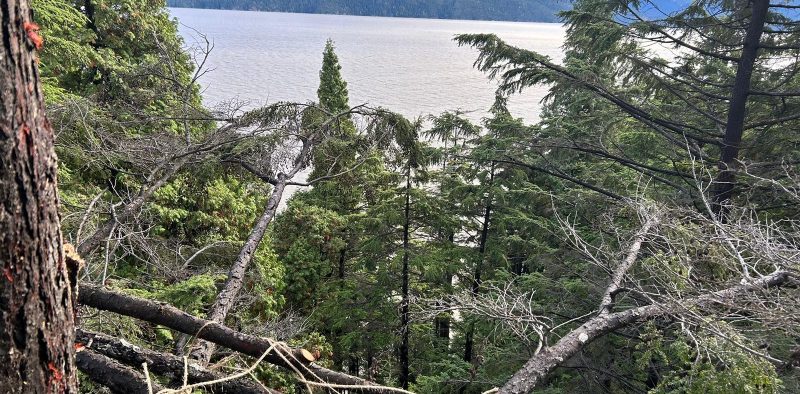
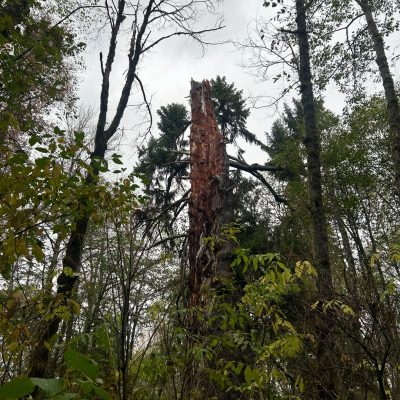
    Recent work

    We'd love to hear from you

    Contact Us

    Reach us through

    Social Networks

    Send us a Message

    FAQs

    What is a qualified arborist?
    A qualified arborist is a professional trained in the art and science of planting, caring for, and maintaining trees. They are certified by recognized organizations, such as the International Society of Arboriculture (ISA), and possess the knowledge and skills to assess tree health, perform safe tree care, and provide expert advice. Hiring a qualified arborist ensures your trees are managed responsibly and in line with industry standards.
    What is spurless pruning?
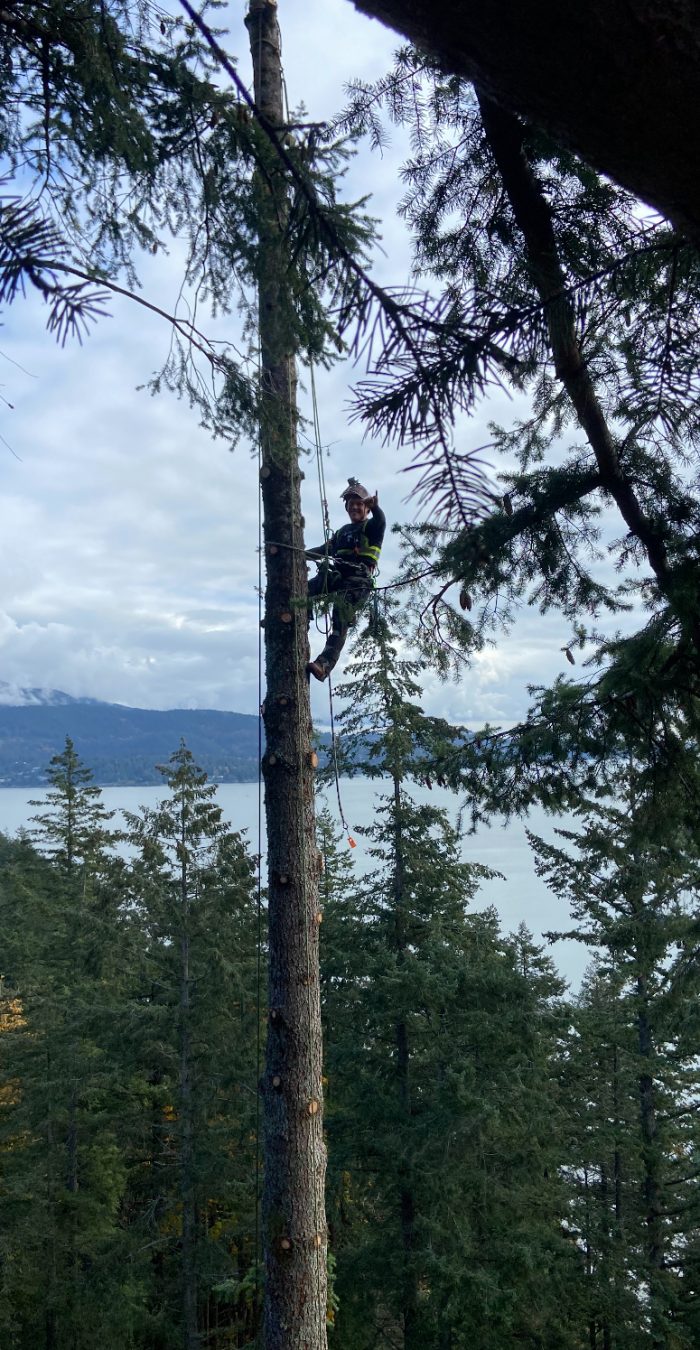
    Spurless pruning is a tree care technique that avoids using climbing spikes or spurs, which can cause unnecessary damage to the tree’s bark and internal tissues. Instead, arborists use ropes, harnesses, and specialized climbing techniques to access the canopy. This method is ideal for maintaining the health and longevity of your trees, as it minimizes wounds and reduces the risk of disease or pest infestation.
    How do I recognize tree risk?
    Recognizing tree risk involves observing signs of potential hazards. Here are a few common indicators:

    - **Cracks or Splits**: Visible fractures in the trunk or branches.
    - **Leaning Trees**: A sudden or progressive lean, especially with disturbed soil at the base.
    - **Deadwood**: Large, dead branches that could fall.
    - **Fungal Growth**: Mushrooms or other fungi at the base or on the trunk.
    - **Cavities or Decay**: Hollow areas in the trunk or large branches.

    ©2024 Lumberjax. All Rights Reserved.